5 Ways to Make Your Cabinetry Website Convert More Clients
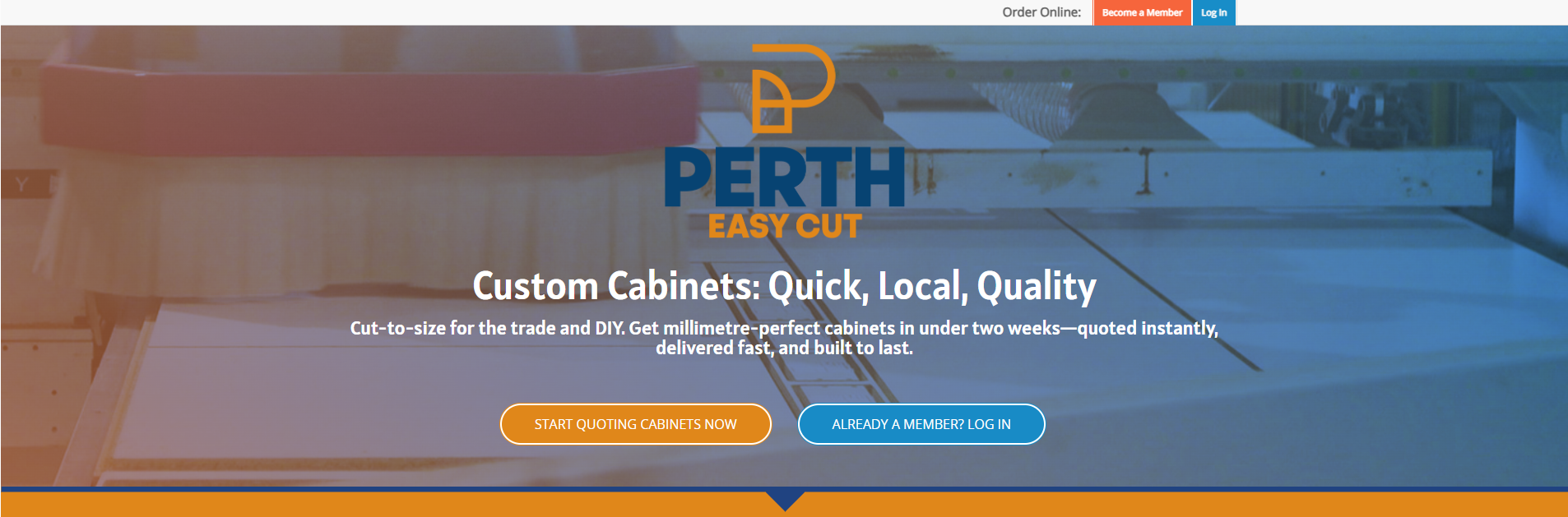
Your website isn’t just a brochure — it’s your sales engine. Done right, it wins more leads, builds trust, and drives more jobs. Here are 5 things top cabinet makers are adding to their website.
1. Lead with Customer Benefits
The first thing visitors should see? What’s in it for them. Your headline and intro should focus on customer outcomes, not just what you do. For example:
“Get millimetre-perfect cabinets in under two weeks—quoted instantly, delivered fast, and built to last.”
Skip generic intros and highlight what makes you better or different from the competition.
2. Highlight One Clear Next Step—With Buttons at Every Crucial Stage
Every page should guide visitors to a single, prominent action—whether that’s a contact form, or a link to your online ordering portal. Place clear, standout buttons at all the key stages of your main page so visitors never have to hunt for what to do next. Make the pathway to enquiry or order obvious and easy, everywhere it matters.
3. Show Off Real Photos
Ditch the stock images. Visitors want to see your actual craftsmanship, not generic kitchens. Real before-and-after shots, workshop photos, and short videos of your process make your work tangible and trustworthy.
4. Share Specific, Genuine Testimonials
Social proof works best when it’s detailed and authentic—
“We needed custom-cut panels for a last-minute project, and the order was ready in just 48 hours with every piece labelled and perfectly cut. Saved us hours on assembly.”
Testimonials like this speak directly to the reliability and precision of your cut-to-size service, and build far more trust than “They did a great job.” If you’ve worked with recognisable builders or won awards, show that off too.
Choosing the Right Fit for Your Workflow
Butt & Screw
CNC Time
 Fast
Fast
Assembly Risk
 High
High
Tool Wear
Low
Strength
OK
Assembly Speed
Medium
DIY-Friendly
OK
Mortise & Tenon
CNC Time
 High
High
Assembly Risk
Low
Tool Wear
High
Strength
⭐⭐ Strong
Assembly Speed
Medium
DIY-Friendly
⭐⭐ Yes
Dowell
CNC Time
⚠️ Medium
Assembly Risk
Low
Tool Wear
⚠️ Medium
Strength
⭐⭐ Strong
Assembly Speed
Fast
DIY-Friendly
⭐⭐ Yes
Confirmat Screw
CNC Time
⚠️ Medium
Assembly Risk
Low
Tool Wear
⚠️ Medium
Strength
⭐⭐ Strong
Assembly Speed
Fast
DIY-Friendly
⭐⭐ Yes
5. Make Your Process Crystal Clear
Don’t leave customers guessing. Explain what you offer, who it’s for, and exactly how your process works—from first quote to delivery. Include example cabinet layouts and prices if you can. Customers want clear, upfront answers on cost, timelines, and what happens if something goes wrong.
Do not just list what you do; explain why your process is smarter, faster, or safer. Present each step from the customer’s perspective.
Support these steps with a video walkthrough, an ordering demo, or a visual comparison of traditional versus streamlined processes.
Bottom line:
Build your website around your customer’s questions, show your real work, prove your value, and make it simple for visitors to take action. That’s how you turn browsers into buyers.